
The Reality of Wrongful Convictions
Wrongful convictions are not rare exceptions—they are systemic failures that impact thousands of lives. Behind every statistic is a person who lost years, dignity, and opportunity.
Why These Facts Matter
Understanding the reality of wrongful convictions is essential to creating change. These facts highlight the scope of the issue, the people most affected, and the urgent need for reform and support systems.
The Numbers Behind the Injustice
- Thousands of individuals have been wrongfully convicted and later exonerated
- Many exonerees spend years or decades in prison for crimes they did not commit
- The average time served before exoneration is often 10+ years
- DNA evidence plays a role in many exonerations, but not all cases have access to it
These numbers represent real lives disrupted by systemic failure.
How Innocent Lives Are Taken Away
Eyewitness Misidentification
One of the leading causes of wrongful convictions
False Confessions
Coercion, pressure, or fear can lead innocent people to confess
Prosecutorial Misconduct
Withholding evidence or unfair practices
Inadequate Defense
Lack of proper legal representation
Forensic Errors
Misinterpreted or flawed scientific evidence

Beyond the Prison Sentence
Wrongful conviction affects every part of a person’s life:
- Severe emotional and psychological trauma
- Loss of family connections and relationships
- Financial instability and lack of resources
- Difficulty reintegrating into society
Freedom does not erase the damage—it only begins the healing process.
Disparities in the Justice System
Certain communities are disproportionately impacted:
- People of color
- Individuals from low-income backgrounds
- Those without access to strong legal representation
Wrongful conviction is not just a legal issue—it is a social justice issue.


Freedom Without Support
After release, exonerees often face:
- No compensation in many states
- Limited access to mental health care
- Challenges finding employment and housing
Closing the Gap Between Freedom and Healing
Organizations like WCTC exist to provide:
- Trauma-informed care
- Reintegration support
- Advocacy and awareness
Justice is incomplete without healing.
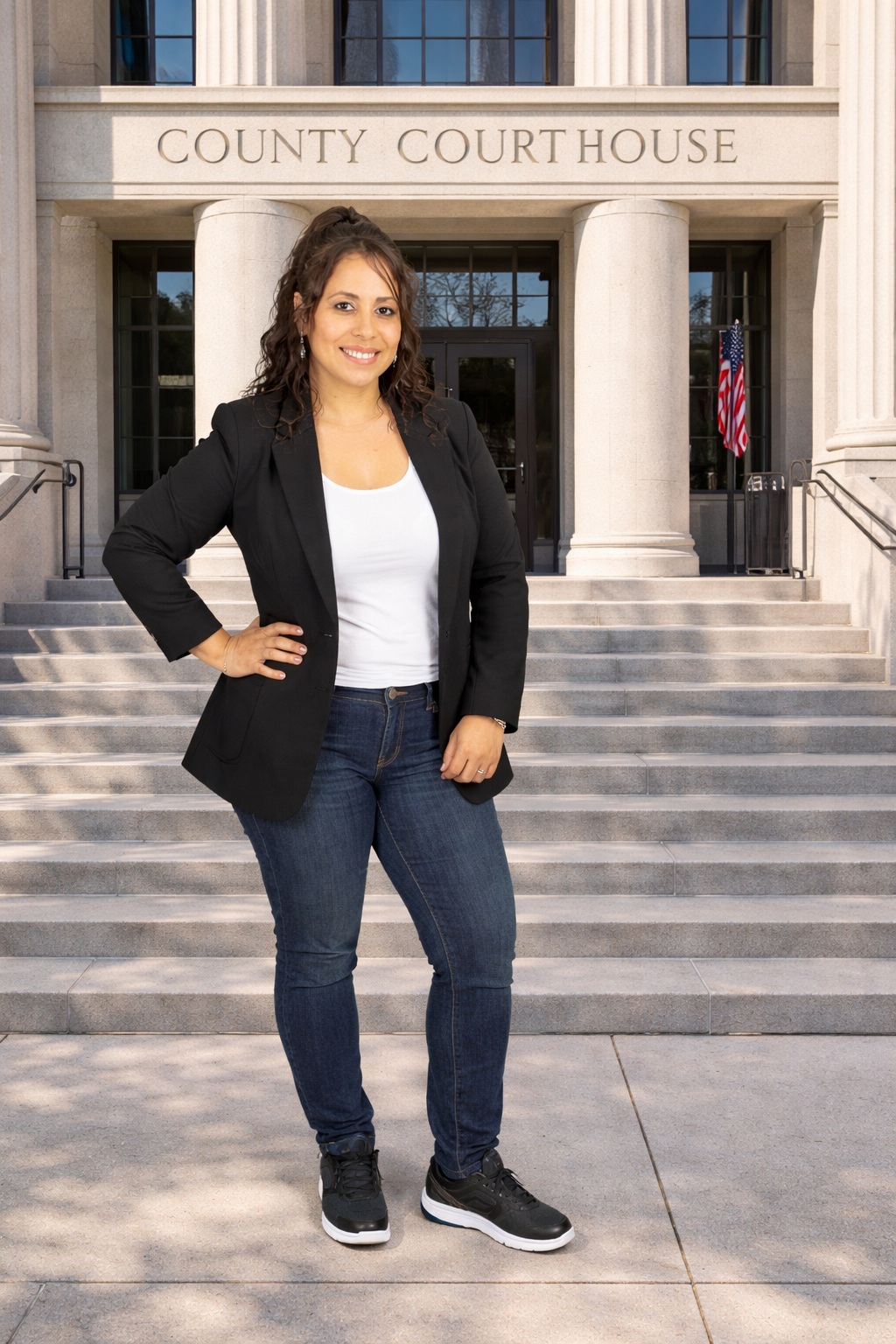
Be Part of the Solution
Educate yourself and others
Support organizations working for change
Advocate for justice reform
Justice Must Include Healing
Wrongful conviction is one of the most devastating failures of the justice system.
Awareness is the first step—but action is what creates change.